She Was a Rising Senior on the Honor Roll. ICE Just Upended Her Life
Nory Sontay Ramos thought her immigration check-in was routine. 5 days later, she was swiftly deported to Guatemala 鈥� a country she barely remembers.

;)
Education news and commentary, delivered right to your inbox.
Sign up for 社区黑料 newsletter.
Get stories like this delivered straight to your inbox. Sign up for 社区黑料 Newsletter
On July 4, Nory Sontay Ramos stepped off a flight from San Antonio into a country she hardly recognized: Guatemala.
The summer wasn鈥檛 supposed to start this way. The 17-year-old had plans. In early June, she wrapped up 11th grade on a high note, having made the honor roll and represented her Los Angeles high school in the city finals for track. With track season over, she turned her attention to cross-country, showing up to campus for practice after the school year ended.
Everything changed when she and her mother, Estela Ramos 鈥� both undocumented 鈥� appeared at what they thought was a standard check-in visit with immigration officials on June 30.
鈥淚CE took us to a room, and they ended up telling my mom, 鈥榊our case is over, so we have to take you guys with us,鈥欌�� Sontay Ramos told The 19th. Over the objections of their attorney, federal agents led them away.
The next day, she and her mother were shipped to Texas. And by July 4, they were on a plane to Guatemala, a country where neither of them have lived for over a decade. On Independence Day 鈥� an occasion associated with freedom, with hope 鈥� their American dream shattered. Sontay Ramos has no idea what will become of the friends, family members and school community her deportation forced her to leave behind in Los Angeles.
A lawyer hired after she and her mother were detained said Monday that a motion to reopen the case has been filed with the Board of Immigration Appeals but provided no other information to The 19th.
A year shy of becoming a high school graduate in the United States, the teen鈥檚 life 鈥� and opportunities 鈥� completely changed in the span of five days.
鈥淚’m confused,鈥� Sontay Ramos said, her voice breaking. 鈥淚 don’t know. I’m just really sad about everything.鈥�
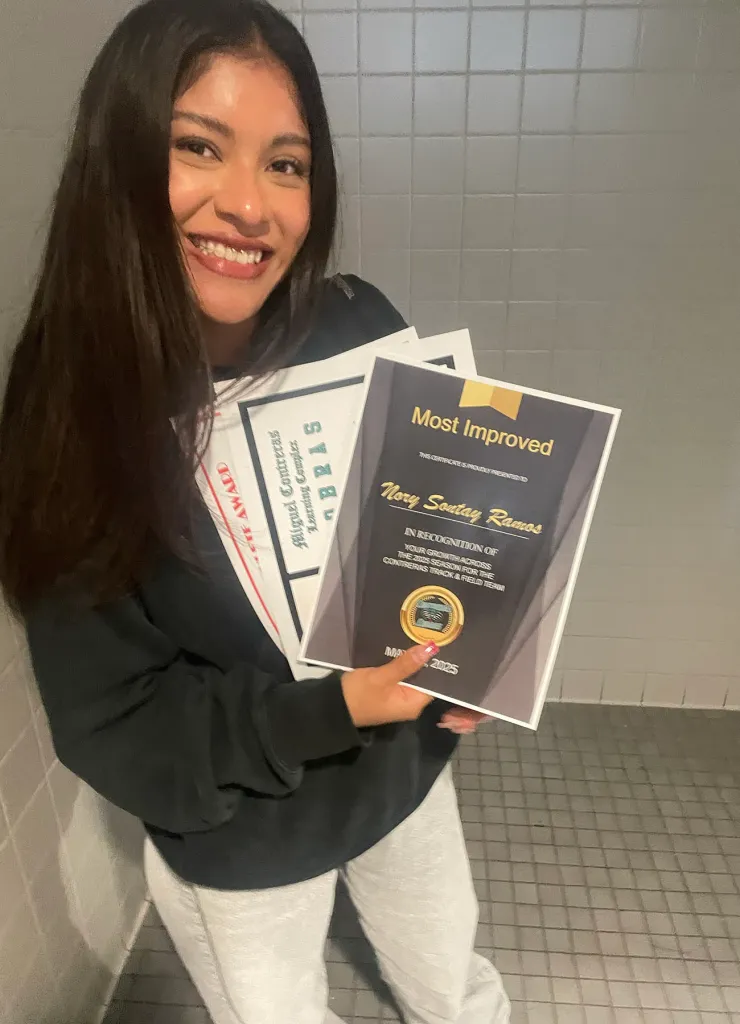
President Donald Trump campaigned for a return to office with the promise of mass deportations, characterizing undocumented immigrants as criminals and threats to women and girls. But as his administration has ramped up enforcement of his policy priority, undocumented people with no criminal backgrounds have made up the largest share of immigrants targeted. Those who are pursuing legal status through the proper channels have also become vulnerable 鈥� showing up to check-ins, like Sontay Ramos and her mother 鈥� only to be detained. These developments, recent polls reveal, have led to public disapproval of the Trump administration鈥檚 strategies.
Civil liberties and advocacy groups have raised concerns that undocumented immigrants are being removed so quickly they have been denied the right to . With Trump鈥檚 One Big Beautiful Bill Act directing $150 billion more toward mass deportations, expedited removals of undocumented immigrants will almost certainly increase 鈥� and those like Sontay Ramos stand to get caught in the middle.
The Trump administration deported more than 93,800 people from January 20 to June 11, with compared with the same period in 2024, revealed an analysis by the Washington Post based on information from the Deportation Data Project. (The data does not reflect arrest and removal numbers from Customs and Border Protection.) Of those, 61 percent did not have criminal records and almost 90 percent were men, underscoring how relatively uncommon it is for a mother and daughter to be removed.
The Trump administration has not provided a tally of how many minors have been deported this year, but The 19th鈥檚 found that only about 3 percent of removals involved children. When ICE targets juveniles, the incidents often make national headlines, such as when living in Torrance, California, were detained in May and swiftly deported to Honduras. In states including Michigan, Massachusetts and New York, the detainment of teenagers, including those who are technically legal adults, have also this year.
But when Sontay Ramos and her mother exited their Guatemala-bound flight on Friday, they weren鈥檛 met with fanfare. None of their family members in the Central American nation knew to expect them. With the help of an internet connection, they managed to contact one of Sontay Ramos鈥� older sisters, with whom they鈥檙e now living. The teenager isn鈥檛 sure which part of Guatemala she鈥檚 in, though she describes the area as rural. In fact, a family member told The 19th, she’s in the Guatemalan department of Totonicap谩n, in the western highlands.
Just 6 when she left Guatemala, Sontay Ramos struggles to recall what life there was like. But she remembers the emotion she felt as a small child: fear.
鈥淚 was scared because there’s gangsters here, and they tried to kill my mom,鈥� she said. A family member involved in a gang threatened her mother, once attacking her so badly she needed to be hospitalized, she said. 鈥淢y mom was scared.鈥�
A study exploring the from 2012 to 2019 found violence, poverty, climate change and corruption to be among the driving factors and that many such migrants hail from rural parts of the country.
鈥淭he two major reasons, especially if we look at families, have to do with violence and drought,鈥� said David Leblang, a coauthor of that study and politics professor at the University of Virginia. 鈥淚t has been drought and then flood, hurricane and then drought that has just decreased the ability for families to put food on the table, so you see a combination of economic insecurity, but more so for families, food insecurity 鈥� because when you can’t feed your kids, that’s when families are going to pick up and they’re going to move first to more urban areas and then out of the country.鈥�
About 11 years ago, Sontay Ramos and her mother headed by car to the United States in search of safety and opportunity. There, other family members awaited them and they hoped to be granted asylum, she said.
The transition was not easy. They left behind three of Sontay Ramos鈥� older siblings who did not want to come to the United States, she said. Her father remained in Guatemala, too. His death from illness shortly after she moved away was devastating.
鈥淯nfortunately, her dad passed away at a young age, just like two weeks after her arrival to the States,鈥� recalled Jennifer Ramos, Sontay Ramos鈥� 22-year-old cousin who lives in Los Angeles. 鈥淪he grew up with her dad, so that also hit her at such a young age, just coming to a new country at 6 years old and not knowing the language here and losing her father. It was definitely hard for her.鈥�
Getting accustomed to life in Los Angeles also wasn鈥檛 easy. Sontay Ramos and her mother are Indigenous Guatemalans, fluent in K’iche’. made assimilation more challenging in a city where English and Spanish are the primary languages.
Jennifer Ramos helped her little cousin learn to speak English. 鈥淪he would come over, and I would help her with her homework. When she first came to the States, my younger sister was kind of her only friend in school because she didn’t know anybody and, again, the language barrier. She actually does struggle speaking Spanish.鈥�
In time, Sontay Ramos and her mother adjusted to life in California. Her mother ultimately became a garment worker, employed as a seamstress until physical setbacks 鈥� illness and surgery 鈥� sidelined her earlier this year. Her deportation has separated her from her life partner, with whom she and her daughter shared an apartment in the Westlake District of Los Angeles, the neighborhood , and days of demonstrations in nearby downtown escalated after Trump deployed 4,000 National Guard troops and 700 Marines.
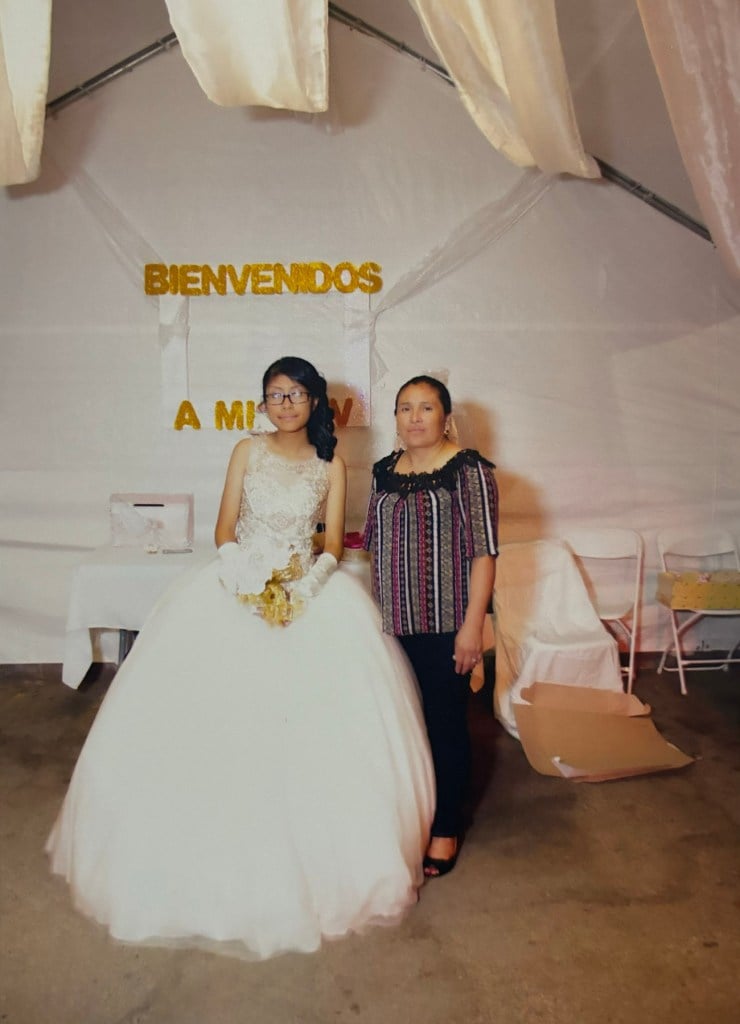
(Courtesy of Jennifer Ramos)
Los Angeles is a deeply blue city in a liberal state, with the nation鈥檚 highest concentration of immigrants 鈥� a place that the president has made ground zero for his immigration raids. In November, the city council voted unanimously to make L.A. a sanctuary city, which bars it from using resources for immigration enforcement. Last week, the Trump administration filed suit, . Meanwhile, advocacy groups including the American Civil Liberties Union of Southern California and Public Counsel are suing the Trump administration for what it describes as a .
Before Trump鈥檚 immigration policies roiled her neighborhood and upended her life, Sontay Ramos was indistinguishable from her peers born in the United States. She grew up on the Netflix shows 鈥淪tranger Things鈥� and 鈥淐obra Kai,鈥� enjoys the music of Lana Del Rey and The Weeknd and dotes on her cat, Max, who turned 1 on May 15. He is black 鈥� one of her two favorite colors. In her spare time, Sontay Ramos practices taekwondo, which she鈥檚 been learning for nearly four years.
鈥淚 just liked it,鈥� she said of the martial art. Knowing how to fight, she added, helps her feel protected.
Sontay Ramos never sensed she was in danger before the immigration check-in that would push her out of the United States.
But her cousin Jennifer Ramos worried. The night before, Ramos鈥� father invited the family over to have Sunday dinner with his wife and three daughters. The evening was largely festive. Her father made shrimp ceviche and was eager for his family to enjoy the tangy, citrusy dish 鈥� especially Estela Ramos, who had just celebrated her 45th birthday. But when Estela mentioned that she and her daughter had an immigration check-in scheduled, everyone fell quiet.
鈥淲e were kind of scared,鈥� Jennifer Ramos said. 鈥淲e were like, 鈥楢re you sure you should go?鈥欌��
But her aunt tried to reassure them by letting them know their lawyer said it would be fine. After all, they had shown up for previous check-ins without incident, and if they didn鈥檛 appear, immigration officials would just find them at home.
Now, Jennifer Ramos doesn鈥檛 know when she’ll see her aunt and cousin again.
鈥淚t is unfair that a young student like her has been detained,鈥� she said. 鈥淪he’s the most deserving person. This should be the least of her worries.鈥�
Sontay Ramos couldn鈥檛 help but tear up when she described what she was looking forward to about senior year 鈥� graduation, her friends, track-and-field and cross-country.
Although excited to reunite with family members they hadn鈥檛 seen in years, she and her mother have been weeping off and on since they arrived in Guatemala.
鈥淚 was happy, but I was expecting to see them in another way,鈥� she said of her relatives. 鈥淣ot like this.鈥�
Sleeping and eating have been tough as has the constant feeling of disorientation. She doesn鈥檛 know where she is. In K’iche’, she asked her mother for the name of the town they鈥檙e in, but it didn鈥檛 register.
She also continues to feel blindsided about why she and her mother were deported at all. She doesn鈥檛 understand how or why their case was closed.
Recent polls, particularly those conducted after the immigration raids in Los Angeles, reveal that the Trump鈥檚 administration鈥檚 immigration crackdowns may be unpopular with the majority of the public. A PBS News/NPR/Marist poll released July 1 found that .
Sixty-four percent of registered voters support giving most undocumented immigrants in the United States a pathway to legal status, with 31 percent preferring deportation for most of them, released June 26. Six months ago, only 55 percent of voters supported giving unauthorized immigrants a path to legal status, while 36 percent backed deportation.
Leblang, the politics professor, said that ultimately the economy will sway the public to take a stand on immigration.
鈥淎ll of those people who are being deported, they’re consuming goods that are produced by natives,鈥� he said. 鈥淪o, what the evidence suggests is that’s going to affect native workers鈥� wages, so across the board, this is going to have a negative effect on the economy.鈥�
For Manuel Guevara 鈥� a physical education teacher and coach at the Miguel Contreras Learning Complex, where Sontay Ramos is enrolled as a student 鈥� immigration isn鈥檛 an economic issue but a personal one. He came to the United States at 11 months old in the mid-1980s during El Salvador鈥檚 horrific 12-year civil war, becoming a citizen as a teenager. He fears that more deportations of youth from his school are imminent. He knows some families skipped school graduations in the area due to their concerns over raids. Some are so worried they refuse to let their children attend football practice. He鈥檚 heard that other families intend to self deport.
鈥淭his is not normal,鈥� Guevara said. 鈥淥ur whole community is beyond vulnerable. A lot of [students鈥橾 parents, sad to say, don’t know how to read and write. Their kids need to do that for them. If they鈥檙e presented with [immigration] paperwork, they might not even be able to read it because that’s not their primary language.鈥�
He can hardly believe that Sontay Ramos, whom he taught for most of her high school years, is gone.
鈥淪he was smiling, happy-go-lucky,鈥� Guevara said. He鈥檚 astounded that she was detained and deported in less than a week. 鈥淣ory is going into her senior year, which is another thing that’s just killing me. She was going into her senior year with all this momentum.鈥�
Guevara fondly recalled the teen鈥檚 high-pitched voice that gets even higher when she鈥檚 excited.
鈥淵ou could tell when she’s coming from down the hallway, for sure,鈥� he said. But her trademark voice is now subdued due to her deportation ordeal. Through tears, she expressed gratitude for how her teachers, classmates and other supporters have donated nearly $7,000 to her campaign.
鈥淚 just want to thank everybody for the support and tell them to just be safe out there and be strong no matter what’s going to happen,鈥� she said.
If she can鈥檛 return to the United States, she will figure out how to finish her education in Guatemala.
Guevara is certain Sontay Ramos has the aptitude for greatness. Her academics and extracurricular activities are just hints of what she鈥檚 capable of, he said.
鈥淪he was about to reach cruising altitude,鈥� he said. 鈥淪ome of our students are capable of reaching the clouds up there and doing some great things. And I really believe that she was on her way.鈥�
was originally reported by Nadra Nittle of . .
Did you use this article in your work?
We鈥檇 love to hear how 社区黑料鈥檚 reporting is helping educators, researchers, and policymakers.